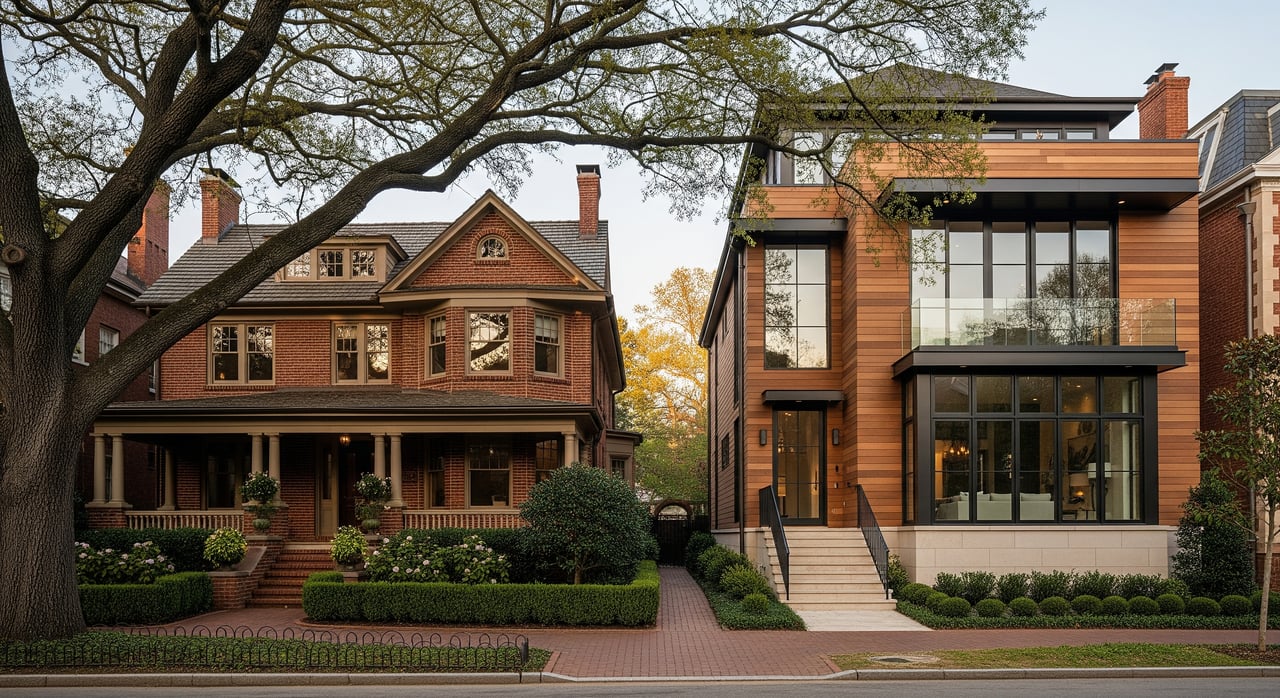
Thinking about buying in Morningside/Lenox Park and torn between the charm of a 1930s bungalow and the convenience of a new build? You are not alone. The neighborhood blends tree-lined streets and classic architecture with thoughtful infill construction, which gives you real choices at different price points and project timelines. In this guide, you will learn what to inspect, how energy and maintenance differ, what permits might be involved, and how to pick the right fit for your lifestyle and budget. Let’s dive in.
Morningside/Lenox Park at a glance
Morningside/Lenox Park in intown Atlanta is known for walkable streets, access to parks and commercial nodes, and a housing mix that includes early to mid-20th-century bungalows, Tudors, and cottages alongside newer infill homes. Many buyers are drawn to the neighborhood’s character and location, while others prioritize modern layouts and turnkey condition.
Zoning, conservation or historic overlays, and neighborhood association guidance can shape what you can change on a home’s exterior, from façades to fences. Before planning a renovation, check requirements with the City of Atlanta Office of Planning for historic preservation and review any guidance from the Morningside-Lenox Park Neighborhood Association. Price trends and premiums vary by block and by property condition, so rely on up-to-date local market data for comparisons.
Historic homes: strengths and tradeoffs
Historic bungalows and Tudors offer distinctive millwork, original details, and a sense of neighborhood history. You may also find mature trees and established streetscapes that many buyers value.
Historic-home inspection focus
- Structural movement at foundations, including door or window sticking and trim gaps.
- Crawlspace or basement moisture, ventilation concerns, and any termite evidence.
- Roofing and flashing around chimneys and valleys, plus roof deck condition.
- Electrical system age and capacity, including older panels or two-prong outlets.
- Plumbing materials like galvanized steel or cast iron, and the sewer lateral condition.
- HVAC age and ductwork in crawlspaces or attics that may be undersized or uninsulated.
- Potential lead-based paint in pre-1978 homes and possible asbestos in certain materials.
- Signs of unpermitted additions or mismatched framing from past renovations.
Energy and comfort in older homes
Newer homes generally start with better insulation and air sealing, but historic homes can improve performance with targeted upgrades. Useful steps include air sealing, attic and crawlspace insulation, high-efficiency HVAC, duct sealing, and storm or high-performance historic-style windows. Deep retrofits that touch walls and windows require careful planning to protect historic character and can take more time and budget than equipment swaps.
Maintenance and lifecycle costs
Plan for higher near-term maintenance if key systems are original or approaching end of life. Wood siding, plaster, and original windows often benefit from specialized trades, which can increase costs. That said, many historic homes have already seen major system updates. Mature trees are common in Morningside and can add gutter cleaning, roof debris, and root conflicts to your routine.
Renovation and design review
Interior cosmetic updates can move quickly, but larger projects may require permits and, in some areas, historic design review. Kitchen and bath projects with limited layout changes often take 6 to 12 weeks. Major additions and full rehabs can run 3 to 9 months for construction, with permitting and any historic review adding weeks or months. Many buyers phase work by tackling systems first, then finishes.
New construction: strengths and tradeoffs
New builds and recent infill emphasize modern layouts, open kitchens, larger primary suites, and energy code-compliant systems. If you want fewer immediate repairs, new construction often provides more predictability in the first few years.
New-build inspection focus
- Full verification of City of Atlanta permits and required inspections.
- Workmanship checks for window installation, flashing, foundation drainage, and HVAC commissioning.
- Lot grading and tree impacts that can alter water flow on small intown lots.
- Warranty punch-list items within the first 1 to 2 years, such as settling or paint touch-ups.
- Energy code documentation like blower-door results or insulation inspections, when available.
Energy and systems in new builds
Modern building codes raise the baseline for insulation, air sealing, and HVAC efficiency. Heat pumps, efficient gas or electric systems, and better duct design reduce energy use compared with an unretrofitted historic home. Solar and electrification are feasible, but exterior equipment or panel placement may be subject to review in some areas.
Maintenance and warranties
You typically gain short-term predictability thanks to manufacturer warranties and a builder warranty program. Coverage varies, but 1-year workmanship and longer system or structural coverage are common depending on the builder. Keep in mind that schedules can be affected by supply chains and inspections, and warranty programs cover defects but not delays.
Permits and timelines
Standard permits apply, and while you avoid historic review in many cases, you still need to confirm zoning and inspections. New construction timeline risks often come from subcontractor availability and supply logistics. Plan a detailed pre-closing walk-through and a one-year warranty check to capture punch-list items.
Energy efficiency: what changes the bill
- Baseline performance: Newer construction has the advantage of code-level envelope and mechanical efficiency.
- Smart retrofits: Historic homes can close the gap with targeted air sealing, attic and crawlspace insulation, duct sealing, and high-efficiency HVAC.
- Payback and disruption: Equipment upgrades limit disruption. Wall insulation and window replacement in historically significant fabric require care and can extend timelines.
- Verification: Ask for blower-door results, duct testing, and proper HVAC load calculations. These help you prioritize improvements and confirm performance.
Maintenance and lifecycle costs
- Predictability: Historic homes can carry higher near-term risk if systems are older or undocumented. New construction typically has a stable first few years with defined warranties.
- Exterior upkeep: Original wood and plaster need specialized care. Modern materials like fiber cement and drywall usually have simpler maintenance.
- Trees and lots: Mature trees add charm and shade but also roof debris, gutter cleaning, and occasional root conflicts. This applies to both old and new homes in Morningside.
- Insurance: Premiums can vary by age, roof type, and system updates. Get quotes for specific addresses early in your process.
Renovation and permitting in Atlanta
- What needs permits: Most structural, electrical, plumbing, and mechanical work. Exterior changes in certain areas may require additional historic preservation review.
- Typical durations: Cosmetic refreshes often take 2 to 8 weeks. Kitchen or bath projects with limited layout changes run 6 to 12 weeks. System replacements may take 1 to 4 weeks to schedule and permit. Major additions or full gut renovations often span 3 to 9 months for construction, with review timelines added on top.
- Process tips: Historic boards may meet monthly and need complete submissions. Permit expediters or planning consultants can help on complex projects.
Decision guide: side-by-side
| Decision Factor | Historic Bungalow/Tudor | New Construction / Recent Infill |
|---|---|---|
| Character and detail | High, with original millwork and unique features | Medium, with cleaner lines and modern finishes |
| Move-in readiness | Variable, updates often needed | Higher, built to current standards |
| Immediate maintenance risk | Higher if systems are older | Lower with new systems and warranties |
| Energy efficiency | Lower baseline unless retrofitted | Higher baseline under current codes |
| Inspection focus | Foundation, moisture, old wiring and plumbing, possible hazards | Code compliance, workmanship, drainage, warranty items |
| Renovation complexity | Often more complex with hidden conditions | More straightforward with modern assemblies |
| Permit or review risk | Possible historic design review for exteriors | Standard permits, fewer exterior constraints |
| Timeline for major updates | Often longer, phased with specialized trades | Often shorter with typical workflows |
| Typical buyer priority | Character and neighborhood history | Convenience, modern layout, low maintenance |
| Resale flexibility | Strong when character is preserved | Broad appeal for turnkey seekers |
Each property is unique. Use this as a starting point, then verify conditions with inspections and quotes.
Smart steps before you buy
- Hire an inspector experienced with older Atlanta homes if you are considering a bungalow or Tudor, and add specialists like a structural engineer or chimney pro as needed.
- Order a sewer lateral camera inspection and a termite inspection, especially for older homes.
- Ask for maintenance records, prior permit history, and any available warranties.
- For new construction, request permit and inspection documentation, energy test results if available, and full builder warranty terms. Schedule a thorough pre-closing walk-through and a one-year warranty punch-list visit.
- Obtain insurance quotes early. Underwriting can vary with age, roof type, and system updates.
- If historic oversight applies, confirm what exterior changes are allowed before planning windows, additions, or solar.
- Get multiple contractor bids for anticipated work. Preservation-minded trades may increase costs and timelines, but they protect character and value.
Resale considerations in Morningside
Buyers in Morningside value both character and convenience. Well-maintained historic homes that retain period details tend to stay marketable in this neighborhood. Tasteful modernization can widen your buyer pool, while removing defining features can narrow it.
New construction may offer lower near-term capital needs and broad appeal to buyers who want move-in condition. Historic homes can reward thoughtful investment with strong appreciation in a character-sensitive market. Your returns depend on update quality, permitting strategy, and how well the home fits neighborhood context.
The bottom line
Choose based on how you want to live and how much renovation you want to take on during your first few years of ownership. If you love original details and plan to phase improvements, a historic home can be incredibly rewarding. If you value modern layouts and fewer immediate projects, a newer build can deliver predictability and comfort right away.
When you are ready to compare options on the ground, connect with a local advisor who understands both historic preservation and new-construction timelines. For boutique guidance, construction-savvy planning, and a concierge search experience, reach out to Rose Quartz Realty.
FAQs
Are historic Morningside homes always less efficient?
- Not always. With targeted air sealing, insulation, duct improvements, and high-efficiency HVAC, a historic home can approach new-home performance, though deeper retrofits may take more time and budget.
What should I inspect first in an older bungalow?
- Start with foundation movement, moisture in crawlspaces or basements, roof and flashing, electrical capacity and wiring type, plumbing materials, HVAC age, and any signs of lead-based paint or asbestos.
How do new-home warranties work in Atlanta?
- Builders commonly provide a limited 1-year workmanship warranty and longer coverage for systems or structural elements depending on the builder. Confirm specifics in writing and plan a one-year punch-list visit.
Will I need historic review for exterior changes?
- It depends on whether your property falls within a local historic or conservation overlay. Check with the City of Atlanta Office of Planning and review neighborhood association guidance before planning exterior work.
How long do renovations usually take in Morningside?
- Cosmetic updates often take 2 to 8 weeks, kitchen or bath projects 6 to 12 weeks, and major additions or full gut rehabs 3 to 9 months, with permits and any historic review adding time.
