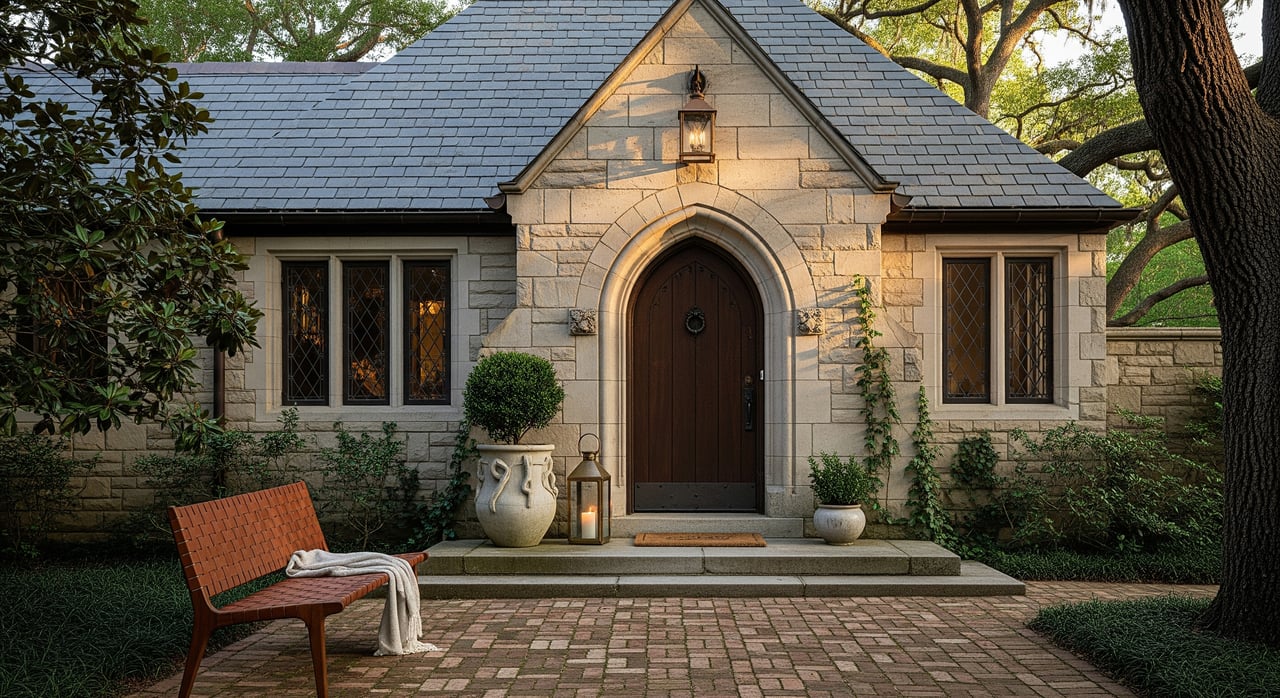
Love the character of your Morningside bungalow or Tudor, but worry the rooms may feel small or dark to buyers? You are not alone. Many intown homes were built with cozy rooms and rich woodwork that can either shine or feel heavy depending on how you stage them. This guide shows you how to highlight original charm, maximize light, and present a modern lifestyle buyers want, all while keeping changes reversible. Let’s dive in.
Why Morningside architecture matters
Morningside‑Lenox Park is known for early 20th‑century Craftsman bungalows and English Tudor Revival homes. You often see front porches, tapered columns, steep cross gables, arched openings, leaded or divided‑light windows, and original hardwoods with detailed millwork.
Buyers in historic intown neighborhoods value authenticity. When staging hides or competes with these features, the home can feel less special. When staging frames the fireplace, showcases trim and arches, and invites you onto the porch, the home reads as both historic and livable.
Your goal is to let the architecture lead while you make the rooms feel bright, uncluttered, and flexible for today’s lifestyle.
Staging goals for bungalows and Tudors
- Maximize perceived light and space without fighting the original scale.
- Highlight architectural features: fireplace, built‑ins, arches, millwork, and leaded glass.
- Signal modern lifestyles such as working from home or casual entertaining.
- Keep updates reversible and minimally invasive.
Guiding principles
- Light‑forward neutrals. Choose off‑white, warm greige, or soft gray‑beige for walls. Avoid stark white that can flatten wood trim.
- Respect scale and sightlines. Low‑profile seating helps you see through arched openings and smaller rooms.
- Layer textures, not heavy pattern. Linen, cotton, wool, and matte ceramics add depth without competing with trim or windows.
- Period‑sensitive accents. One or two Arts & Crafts or English‑style pieces anchor the story while keeping the overall look fresh.
- Reversible choices. Favor paint, lighting, and decor over permanent alterations.
A room‑by‑room plan
Before you start, measure clear pathways and keep main walkways about 2.5 to 3 feet wide. Use warm to neutral white bulbs between roughly 2700 and 3500K to complement wood and brighten photos. During photos and showings, open curtains and blinds to maximize daylight and maintain eye‑level sightlines through arches, to the fireplace, and out to the porch.
Entry or front hall
- Keep it minimal: a slim console or small bench, a mirror, and a simple runner.
- Avoid tall items that block views into the living room or up the stairs.
- If the overhead light is dim, add a brighter bulb or a discreet lamp for showings.
Living room or parlor
- Float a low‑back sofa and add two lounge chairs or ottomans to keep sightlines open.
- Use an area rug large enough that the front legs of seating sit on the rug.
- Clear built‑ins and style with books, low ceramics, and a few framed pieces.
- Keep window treatments light and mounted high and wide. Do not cover leaded glass or trim with heavy drapery.
- Stage the mantel sparingly and make sure the hearth is spotless.
Dining room
- Choose a table that fills the space without crowding pathways.
- Center and level the chandelier; add a dimmer if needed.
- Use a single, low centerpiece and neutral place settings for photos.
Kitchen
- Clear countertops and tuck away small appliances.
- If cabinets are sound but dated, paint in a neutral tone and swap hardware for finishes that suit the era, such as aged brass or oil‑rubbed bronze.
- If space allows, add a petite bistro set to show everyday dining.
- Style open shelves lightly with white dishes, wood boards, and a few decor pieces.
- Add task or undercabinet lighting for a brighter, clean look.
Bedrooms
- Dress beds in layered neutral linens with a textured throw.
- Keep only essential furniture: bed, two balanced nightstands, and one dresser.
- Declutter closets. An organized closet signals useful storage.
Bathrooms
- Deep clean. Regrout and replace cracked tiles or worn hardware where it has high impact.
- Use fresh neutral towels and simple bath mats.
- If the space has original tile or fixtures, keep them and let them shine with great lighting and crisp styling.
Nooks, alcoves, and stair landings
- Assign a clear purpose: reading nook, compact office, or window seat.
- Use small‑scale furniture like a slim desk and a tight‑back chair.
- Add a mirror or reflective art to bounce light, and place a small plant near a window.
Basement, attic, and flexible storage
- Present as a media room, playroom, gym, or guest space as appropriate to ceiling height and egress.
- Keep mechanical areas clean and easy to access. Label storage zones to show capacity.
Porch and outdoor living
- Treat the porch as an outdoor room. Two chairs and a side table or a small swing create an inviting scene.
- Anchor the seating with an outdoor rug and add neutral cushions.
- Layer soft lighting with string lights or period‑appropriate lanterns for evening showings.
- Use simple planters and keep railings and trim visible. Remove clutter like shoes and toys.
Curb appeal and landscaping
- Repair and paint front steps and railings where needed. Choose colors that respect the home’s era.
- Refresh the walkway and entry with tidy plantings and updated house numbers, mailbox, or porch light that fit the style.
- Power‑wash the porch and siding and trim vegetation to reveal architectural details.
- Before photos, mow, clear gutters, and remove vehicles and toys from the view.
Materials, color, and accessories that work
- Wall colors: warm off‑white, soft greige, or pale warm gray. These bounce light without washing out wood tone.
- Trim: a clean, slightly warm white helps original wood read as intentional. If you have well‑preserved stained trim, consider keeping it and simply refinishing.
- Accents: use muted blue‑greens, warm terracotta, or desaturated jewel tones in pillows and art to harmonize with historic finishes.
- Textures: lean into natural fibers like linen, cotton, and wool, plus matte ceramics and woven pieces.
- Lighting and hardware: choose patinaed metals like aged brass or oil‑rubbed bronze, and classic silhouettes such as mission‑style for Craftsman and slightly more ornate fixtures for Tudors. Add dimmers to set the mood for evening showings.
Preservation and permitting in Morningside
Many homes in Morningside may fall under local or national historic‑preservation oversight. Exterior changes such as window replacements or significant porch and roof alterations can require review or permits. Before you plan permanent exterior changes, check with the City of Atlanta’s historic preservation office or the Morningside‑Lenox Park Association.
Focus on reversible staging choices first. Address maintenance items that affect perceived condition, such as peeling paint, loose steps, or leaking gutters, before cosmetic swaps. If you are considering updates that touch historic materials, consult trusted preservation guidance such as National Park Service Preservation Briefs to understand best practices.
A quick prep checklist for showings
- Open curtains and blinds to maximize daylight and showcase divided‑light windows.
- Replace bulbs so color temperature is consistent between roughly 2700 and 3500K.
- Clear surfaces and stage built‑ins with a few intentional objects.
- Keep walkways 2.5 to 3 feet wide through each room.
- Style the porch as a welcoming outdoor room.
- Hide cords, pet items, and personal toiletries.
- Do a final sweep: lights on, toilet seats down, counters clear, fresh towels hung.
When to paint and when to preserve
If your trim is very dark and your rooms are compact, painting can help the space feel lighter. Document the original finish with high‑quality photos first, and select a warm white that pairs well with remaining wood elements. If your woodwork is intact and attractive, a careful clean and refinish can be a selling point. The key is balance: let the best original details lead and use paint to support, not erase, the architecture.
Presenting modern lifestyle without overwriting history
Buyers want homes that support work, wellness, and connection. You can show that with small, flexible setups that do not compete with the architecture. A slender desk in a dormer, a reading bench near a leaded window, or a petite bistro table in a bright corner goes a long way. Keep patterns calm and the palette light so the eye travels from room to room without interruption.
Ready to position your Morningside bungalow or Tudor for the market with confidence? You deserve a plan that respects your home’s character and meets today’s buyer expectations. For a pricing strategy and a tailored listing prep plan, connect with Rose Quartz Realty. Get your free home valuation.
FAQs
Should I paint original wood trim in a Morningside bungalow?
- Not automatically. If trim is in good shape, a clean and refinish can be a selling point. If rooms feel tight and dark, a warm white can help, but document the original finish so the change is reversible.
What color temperature bulbs work best in historic homes?
- Use warm to neutral white bulbs between roughly 2700 and 3500K to flatter wood tones and brighten photos without a harsh look.
How can I make small living rooms feel larger without renovations?
- Use low‑back seating, limit pieces, choose a rug that anchors the arrangement, mount curtains high and wide, and keep pathways about 2.5 to 3 feet clear.
Will modern furniture clash with a Tudor‑style interior?
- Contemporary pieces can work if they are properly scaled and layered with period‑sensitive accents like mission or lantern lighting, matte ceramics, and natural textiles.
How important is staging the front porch in Morningside?
- Very important. Buyers expect usable outdoor space. Treat the porch like an outdoor room with seating, an outdoor rug, soft lighting, and simple planters.
Do I need permits for exterior changes before listing?
- Many exterior alterations in potential historic areas require review. Consult the City of Atlanta’s historic preservation office or the Morningside‑Lenox Park Association before making permanent changes.
